
Here is a beginner's guide to kitchen and cooking with some basics to maintain hygiene and safety while not getting overwhelmed.

Since you are browsing a food blog, we're likely on the same platform. We are sharing a common area of interest. Let me share with you that I am a learner. I am still learning. And I'm sure you will agree that this field is vast and innovative, allowing nobody to stop learning new techniques, discovering new recipes, and inventing their own.
“COOKING WELL DOESN'T MEAN COOKING FANCY” – JULIA CHILD
Everybody learns from "Zero". I have failed many times, given many excuses. But after all, it's my passion towards cooking and feeding my family healthy and tasty food. To cook well at home, it's not a criterion that you should have attended any cooking class or culinary school. Just love what you are doing, and you will get more love in return.
As a kid, I always loved to spend time with my mom in the kitchen. I observe a lot of what she is doing and how she is doing, etc. That's how I learnt cooking. To my surprise, my 4-year-old kid also loves watching me and helping me in the kitchen. I keep him away from the kitchen for safety reasons, but I love how excited he gets to help me knead flour and chop.
After leaving home for work, I applied all the tricks and techniques, which sharpened my cooking skills. Also, when you are eager to learn something new, you will find many sources to teach you. Then came my roommate, who taught me many dos and don'ts. To achieve perfection, the key is to be patient and open to feedback.
Beginner's Guide To Kitchen and Cooking
These are a few lessons I have learnt over the years, which will help you as a beginner.
Keep your kitchen organized.

The best part is keeping your kitchen organized. After use, keep the items in their respective places so you won't struggle to find them when you start. Then, when you plan to cook something, you know your ingredients. So keep them handy on the platform before you start cooking. If required, remove the smaller portion needed in small bowls.
If you are a beginner, I suggest turning on the gas only after you've finished chopping and other tasks, so you don't have to rush through the process. And you will get to cook with a calm mind.
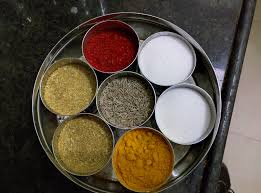
You must know the basic spices used in food preparation. I suggest using a handy spice box instead of the large spice jars. I call them a magic box as they are the primary source of flavour. But remember to close it after every use. In this way, you will retain the aroma of the spices. There are different varieties available in the market. The benefit of using this box is that you don't need to open and close the lids in between cooking, and you have a magic box in your hand that contains all the required spices. So it makes it even easier and saves time.
3. Choose your knife wisely:

Always remember that a sharp knife is the best knife. If your knife isn't the sharpest, you will need to apply more pressure while chopping, which increases the risk of your hand slipping and getting cut. Dull blades will affect the quality of cooking as well. A sharp knife will fasten the process with safety, but be careful and attentive.
Take your time as a beginner; you are learning, and this will derail your interest in cooking if, in the first lesson, you hurt your hand or fingers. So invest in a good, sharp knife or set of knives. Also, consider adding a chopping board to your list. When chopping vegetables or fruits on any plate with a sharp knife, it can scratch the plate or the surface. So keep your chopping board separate for this purpose.
4. Must Have Utensils:

In my next article, I will provide a list of basic utensils for those new to the kitchen and cooking. Please follow the link. You don't need to spend a lot on buying luxury brands. But a lot of variety is available nowadays, both online and offline.
Get good quality products that will meet your requirements. For instance, when purchasing a pan, wok, or kadai, opt for a heavy-bottomed one, as a thin pan increases the risk of burning food and spoiling it completely. Check for thickness while buying cookware.
5. Keep your platform clean:

Keep your workstation clean. It has scientific logic behind this from a hygiene point of view. If your platform is dirty, it will attract insects and create an unhealthy atmosphere. So every time you finish cooking, clean it properly. Remember to turn off the gas cylinder every night before you go to bed.
Don't procrastinate on cleaning, because in the end, you'll have to clean the platform anyway. Cleaning as you cook makes you more organized. In between, whenever you have spare time, organize the items in their proper place and wipe down the platform to clean.
7. Storage of vegetables:

Properly store the green vegetables to save time and money. They are a source of energy, vitamins, and minerals. But perishable foods get easily spoiled if not stored properly. If you have a refrigerator, store them in a pouch bag inside. Also, the bag should have some holes for fresh air to pass.
Fenugreek leaves take time to clean up after cooking. So to save time, remove leaves from stems and store them dry in a container or in a pouch in the fridge. Make sure the leafy vegetables are dry when stored. Don't store fruits and vegetables together, as fruits contain more ripening agents, which can also prematurely ripen the vegetables.
This is a basic beginner's guide to the kitchen and cooking.
Similar Post:-
If you like this post and want to stay updated, subscribe via email. Please also like and share my Facebook Page. Follow My Dainty Kitchen on Twitter, Instagram, and Pinterest.
Leave a Comment (And a 5 Star Rating)